Our beekeeping department has sent a truck with 282 boxes of bees to Hokkaido.
They will move the bees in search of summer nectar sources.
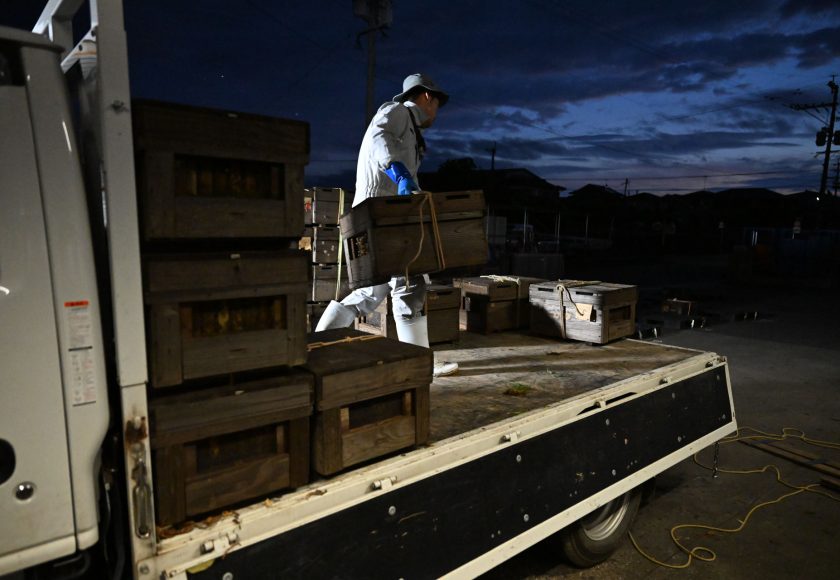
Finally, departure! Loading work has been underway since early morning.
Work began at 4 AM, during the still dark hours.
The weather was cloudy, with a temperature of 22℃.
282 beehives gathered at the beekeeping office in northern Kumamoto City were being loaded onto trucks.
The weight per box is 10kg to 15kg.
It is light enough for a beekeeper to hold with one hand.
The carefully loaded beehives, which took one and a half hours to pack, departed from the beekeeping office in the northern part of Kumamoto City at 5:30 AM.
Finally, the long journey begins.
2,400 km long-distance travel route
The travel route for this time is as follows.
Kumamoto City North Office → Fukui Prefecture Tsuruga → (Ferry transfer)→ Tomakomai, Hokkaido → Hamanaka Beekeeping Office, Hokkaido
A distance of about 2,400km.
From Kumamoto to Tsuruga, it takes about 850km and approximately 9 hours to travel.
After arriving at Tsuruga New Port, you will transfer to a ferry for the sea route to Tomakomai.
The total travel time is approximately 2 days.
Prioritizing the comfort of the bees.
For the move to Akita (※See previous article), ice was used between the nesting boxes for temperature control, but this time for the trip to Hokkaido, it is different.
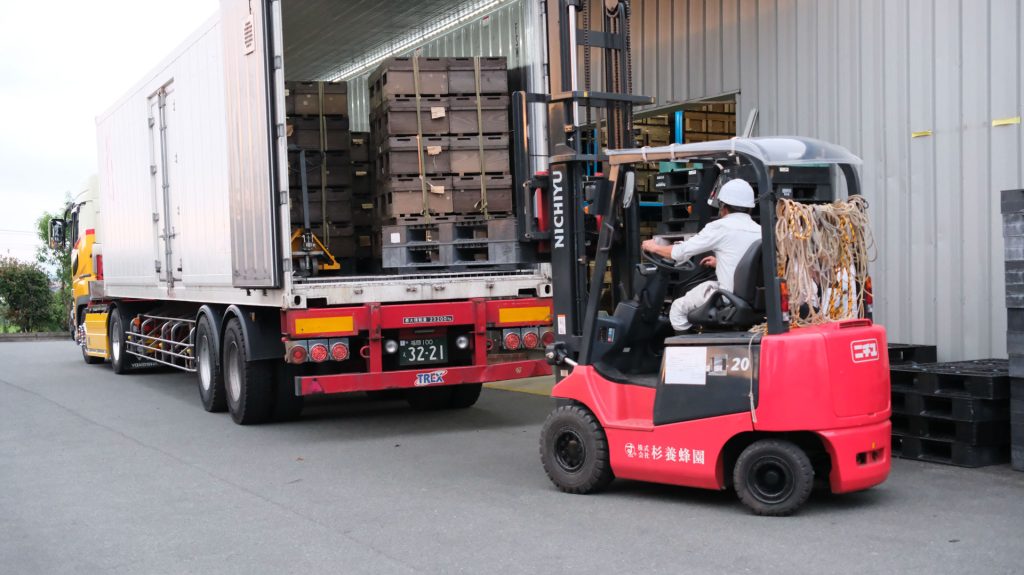
The method used is a refrigerated truck (reefer container).
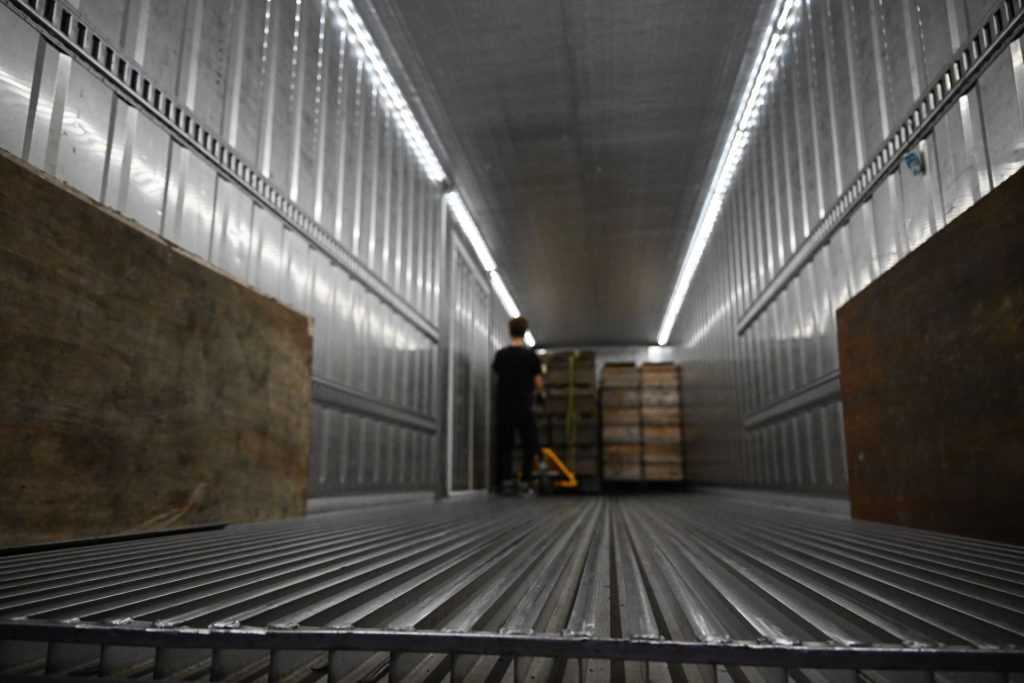
The internal temperature of the truck is set to 15℃.
This is the optimal temperature setting for the bees to ensure that the temperature inside the hive does not rise too high.
However, we are currently collecting data to verify whether this temperature is truly optimal.
You can feel the earnest attitude of the beekeeping club.
A comprehensive system for asphyxiation prevention and regular ventilation.
Transporting hundreds of boxes of bees over long distances requires meticulous attention to detail. Our company has thoroughly implemented the following measures.
- Always circulate air inside the container.
- Innovate the way of placing the birdhouse to ensure good ventilation.
- Prevent oxygen deficiency through regular ventilation.
All of these are innovations born from the wish that the bees can arrive in Hokkaido in a healthy state.
Activity period in Hokkaido
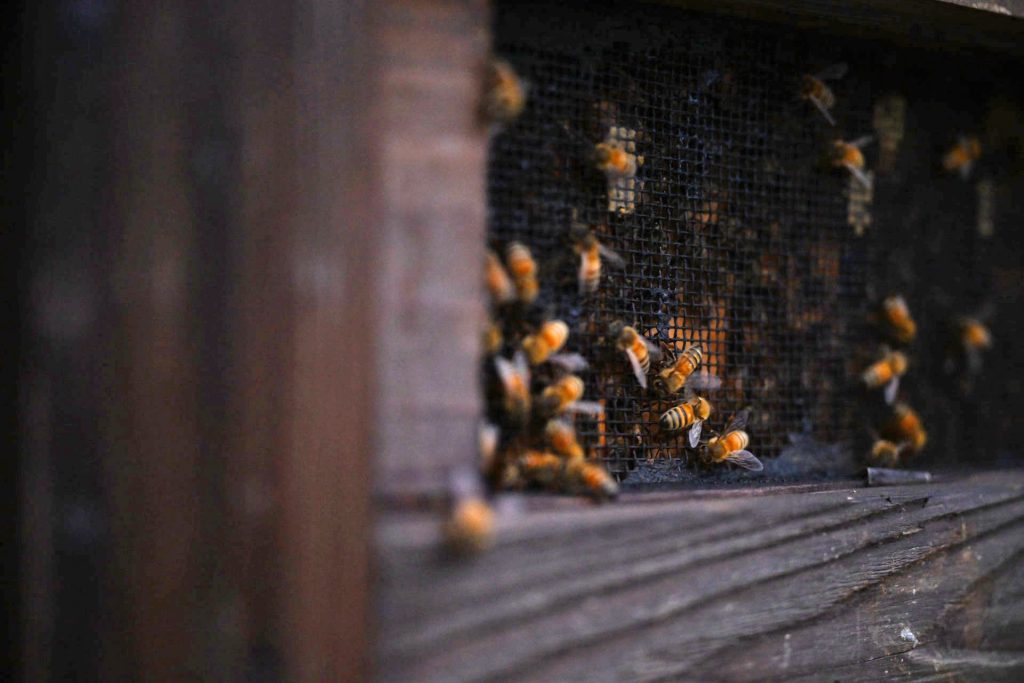
The bees that arrive in Hokkaido will be active in Hokkaido for about a month, from the Obon in July to the Obon in August (depending on the flower conditions, it may be early August).
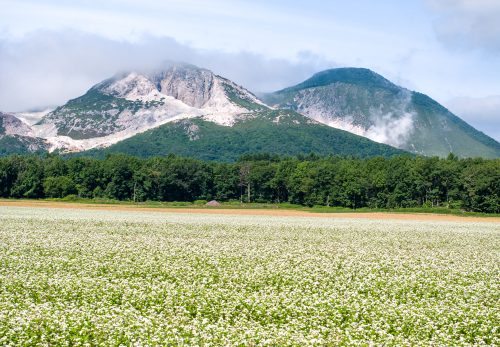
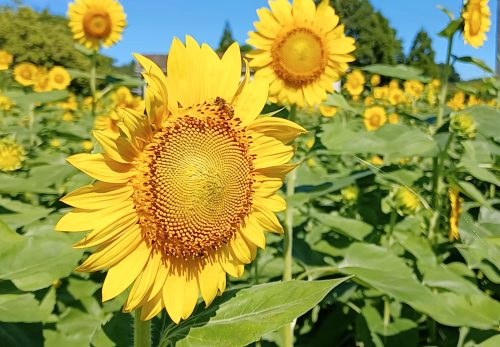
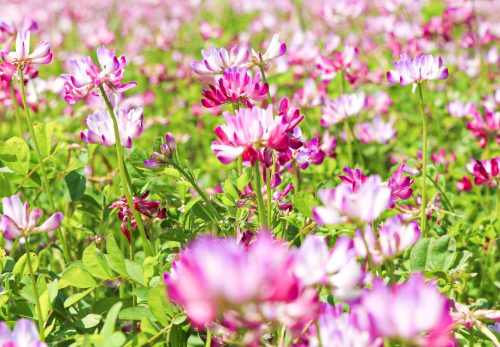
Hokkaido has vast grasslands, rich in wildflowers that serve as a nectar source during the summer.
It becomes a honey gathering activity in a unique environment that cannot be found in Kumamoto.
And as autumn deepens in November, the bees return to Kumamoto once again.
Message from the Beekeeping Club.
Regarding this recent move, we received the following comment from the person in charge of the beekeeping department.
"First and foremost, it is that the bees arrive safely in Hokkaido.
Once they arrive there, I hope they will work hard to gather delicious honey without being defeated by external factors."
Bees that have overcome the trial of migration, what kind of honey will they produce on the land of Hokkaido——.
We are looking forward to their activity.